Seat Pads
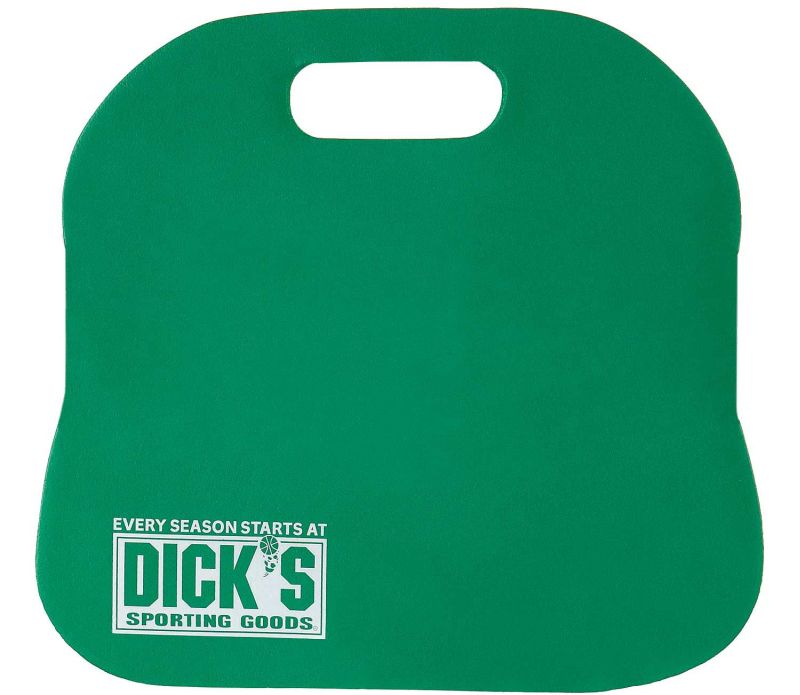
The way you sit in a kayak places almost all your weight on your butt, and there is little way to vary your position. In a short time you can get very sore. If your kayak has any kind of seat pad at all, it is a thin hard cruel joke that does not help in the least.
These thick neoprene foam bleacher cushions are a huge improvement over the thin pads that come with the boat ( if it even has those! ) Stack two for real comfort. Tie them to the seatback with a piece of bungie cord. I've also seen pads like this at Walmart.
If your boat has an adjustable seat back, adjust it slightly forward of vertical. That way, when you lean on it, it will be straight and support your back the way it should.
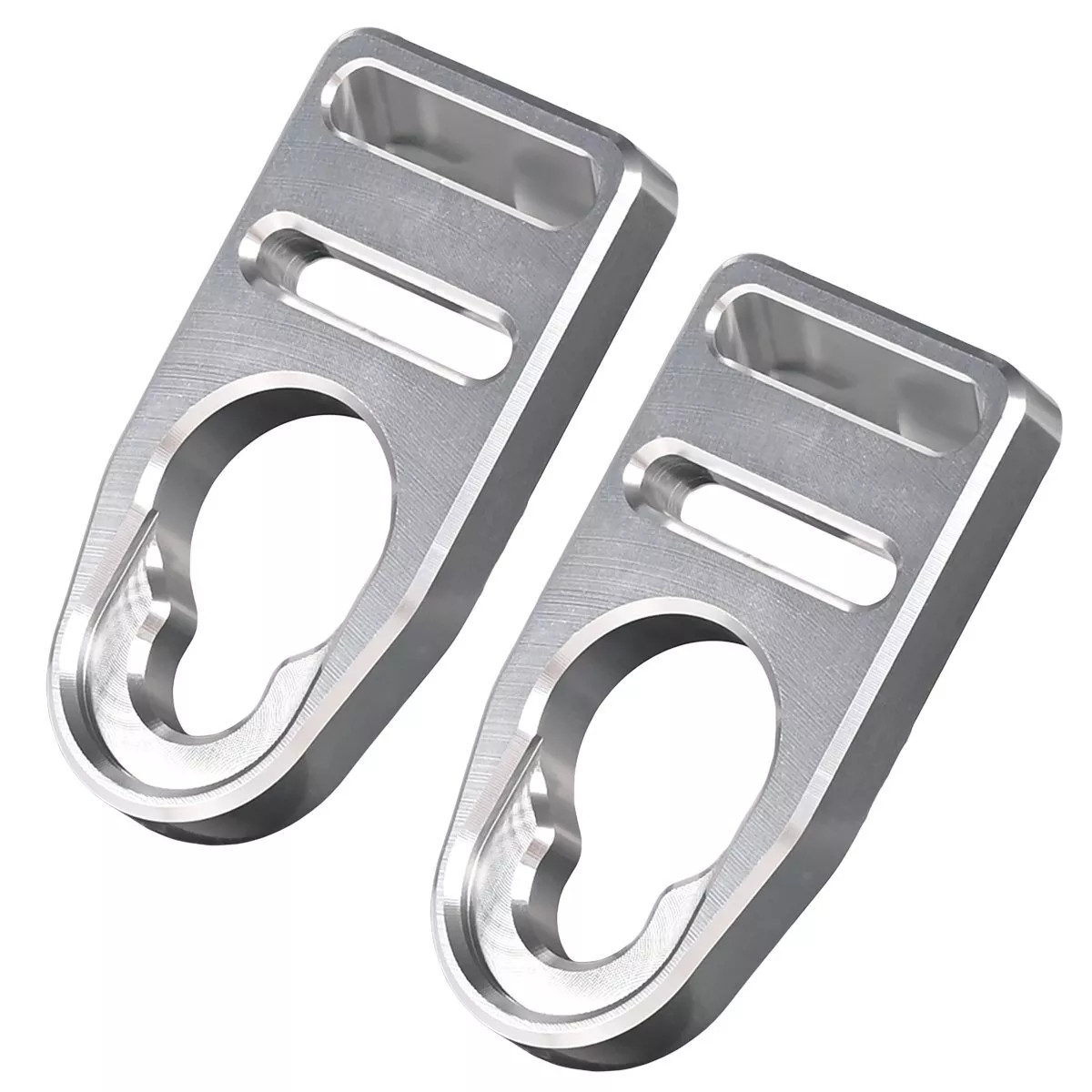
I also replaced the plastic seat-back strap buckles with these aluminium ones that will never break. You can find these on Amazoon or eBay.
Update:
I recently took the factory seat pad off my boat. I've come to the conclusion that it does nothing at all. I think it was just put there for looks. For whatever it is worth, I now sit a half inch lower in the boat. I also took the sun-beaten pad off the backrest, and don't miss it at all.