Boats & Accessories
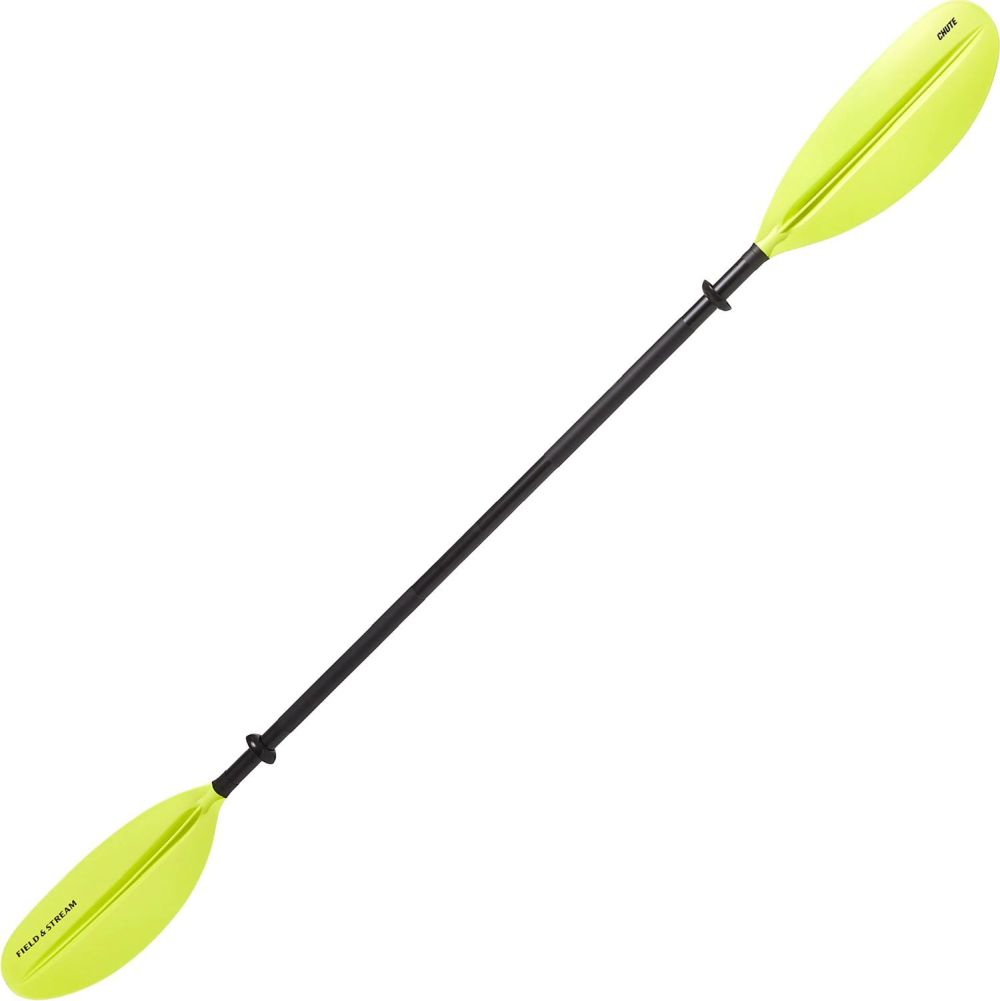
Your new boat probably came with a paddle. I've never seen a boat come with a good paddle. It is just a starter, to get you going. Get a good paddle that is the right size for you. It will make a world of difference. Keep the old one for a spare. Rule of thumb: your paddle should be at least your height. If you install a thick seat cushion, you might want to go a little longer even.
I regard my paddle as an emergency signalling device as well, which is why I like the yellow color pictured, especially if your boat is some camouflage shade of green. The paddle above is about $50 at Dick's. I really like it. No sense hobbling yourself with the piece of junk that came with the boat.
More: Paddles ...
You'd be surprised where you can get a good kayak nowadays. Like these places:
Dick's and West Marine have good selections of kayaks, parts, and accessories. Walmart and Tractor Supply also have a kayak selection, in-season. I hate to say it, but sometimes you can find good deals at Amazon too. Many Walmarts also have live earthworms for fishing.
It's just a matter of time before they show up at your local supermarket. (Kayaks, not earthworms. Maybe earthworms too, if Bill Gates gets his way. Yum!)
More: Stores ...
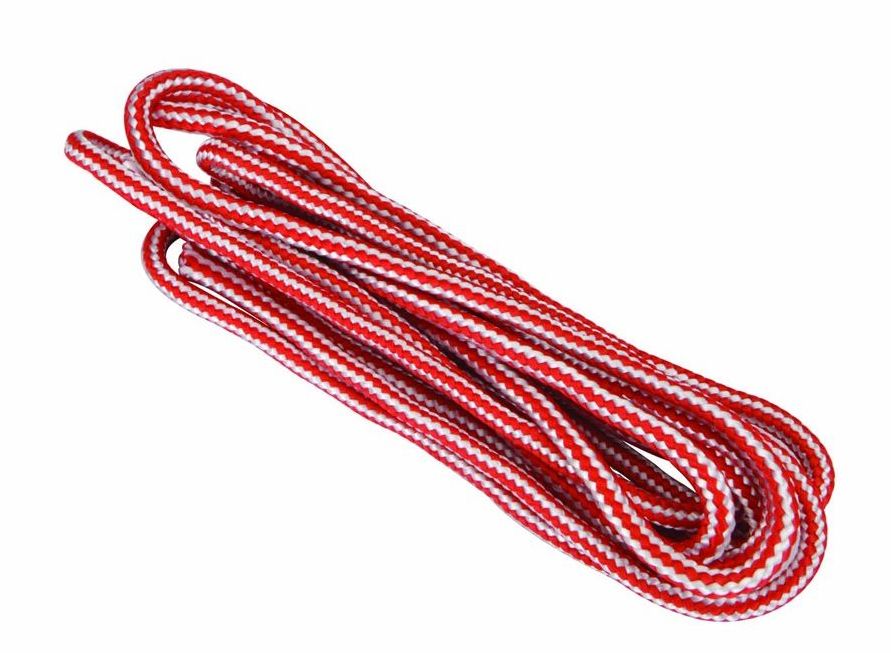
First of all, if you're going to be a sailor now, you'll have to learn that it is called "line", not "rope".
More: A Piece of Rope ...
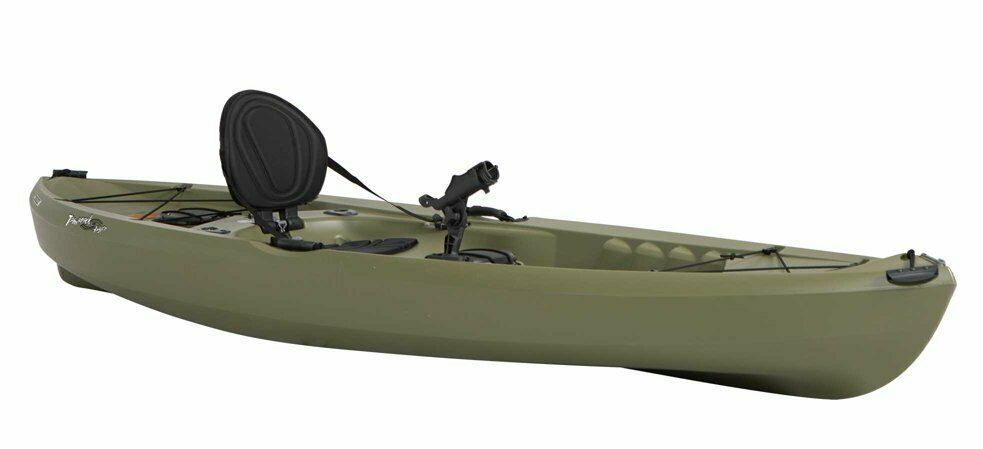
Specs:
- Length: 10 feet overall
- Beam: 32"
- Height: 14" (hull only)
- Weight: 51 pounds
- Capacity: 275 pounds
More: Lifetime Tamarack Angler 100 ...
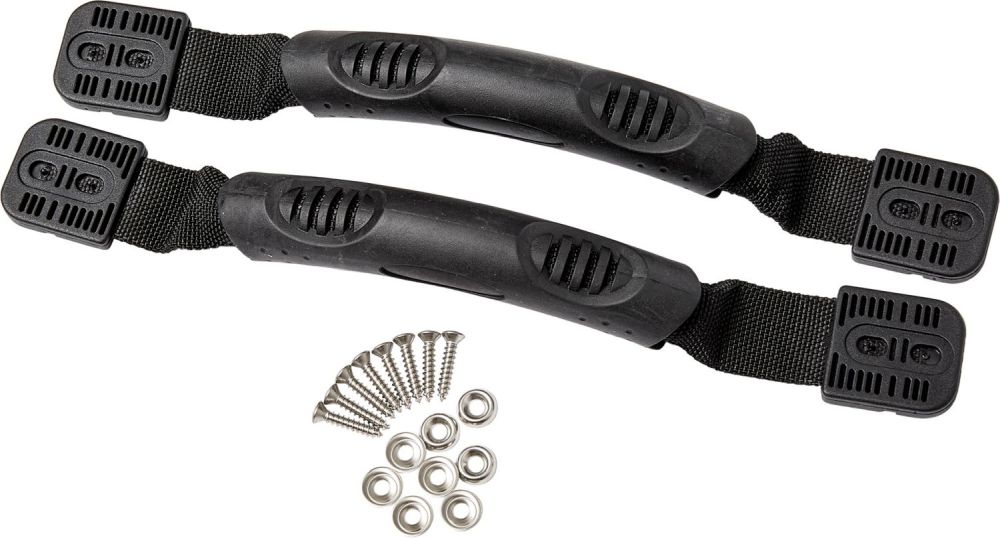
Real side handles make necessary tie-down points for transport, and are well worth the cost of adding them if your boat doesn't have them. This is a good model that uses two screws at each end to secure it. Even better, if you can reach inside the hull, use bolts and washers instead of screws. Kayak plastic is pretty thick though, and the screws have not been a problem.
More: Handles ...
If you go online, you can find a good deal of kayak snobbery. If you are going fishing in the ocean, or white-water, then yes, you could justify an expensive boat. But if you are just going on calm inland water, you really can't beat Lifetime boats for price, handling, and features. And they are indestructible. Lifetime also makes Emotion kayaks.
One more note: if you are going inland, then yellow is a great color for a kayak - it makes you easy to see and hopefully harder to run over by drunken motorboats. But if you are going in the ocean, yellow has a major drawback: Sharks are fascinated by yellow. In World War II, the Navy found out that yellow life jackets were a very bad idea. Online, you can find multiple videos of sharks harassing kayaks, and in every case it is a yellow hull. I even have personal experience: Once on a dive I got into a school of spiny dogfish, and they took turns trying to steal any yellow gear I had. Fortunately, dogfish are small and harmless, and the whole thing was kind of comical.
More: Plastic Kayaks ...