Plants
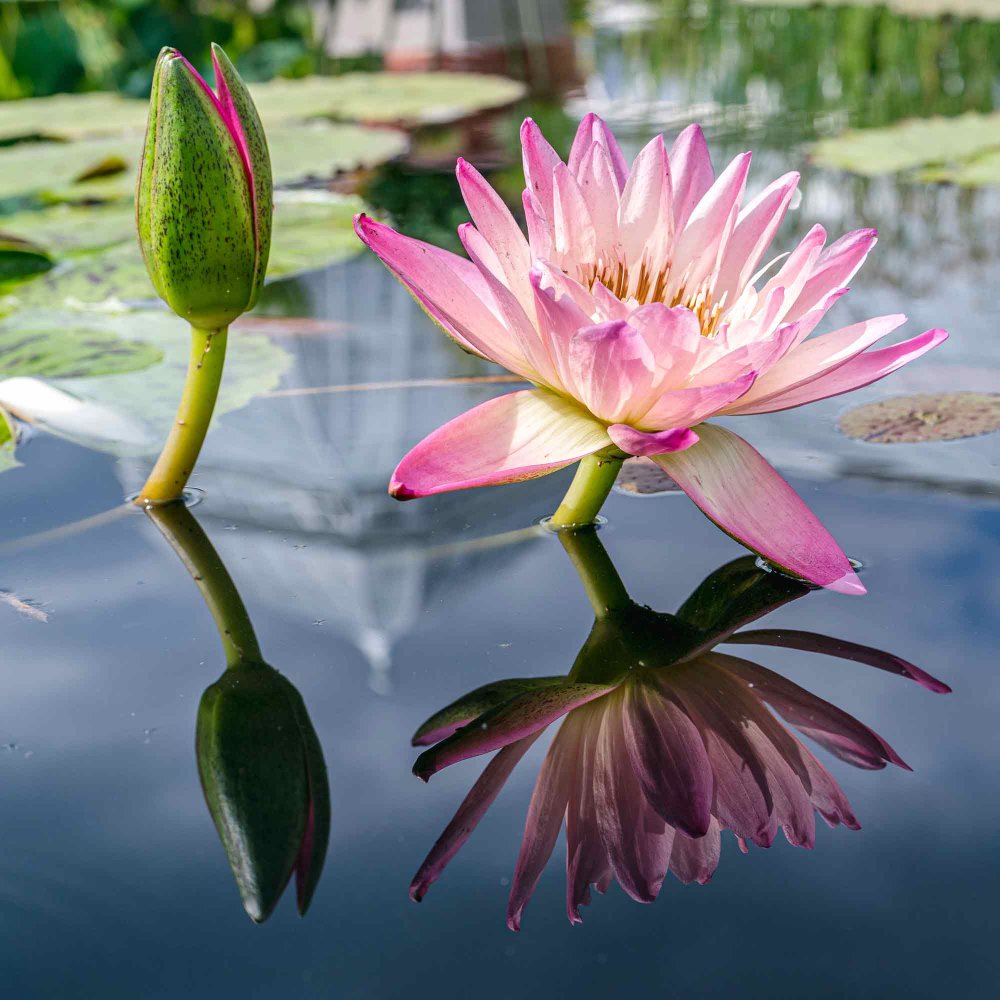
Here are just a few aquatic plants:
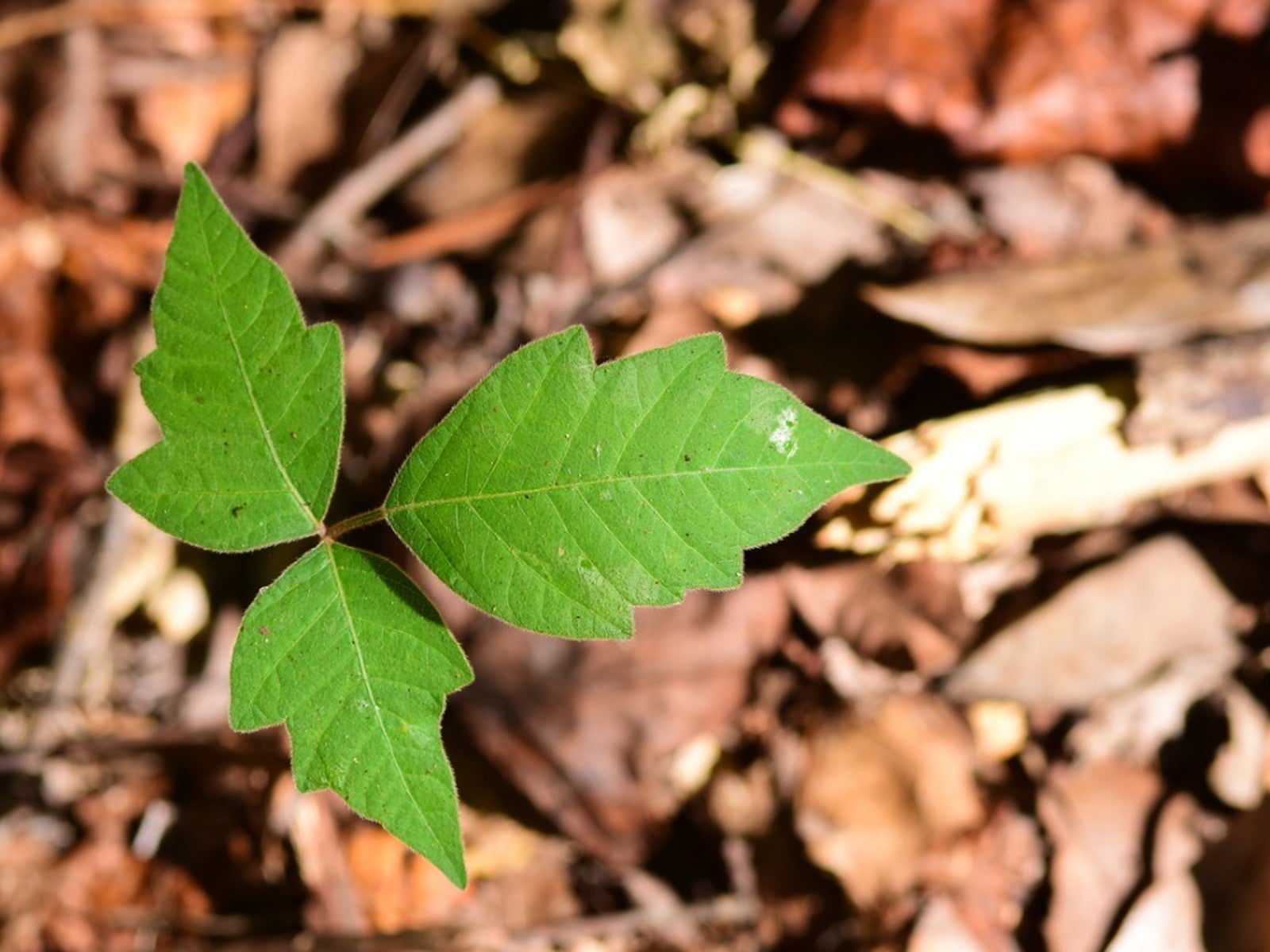
Pictured above is a classic example of poison ivy. Note how three leaves grow in a cluster from a single node, with no leaves further down the stem. The side leaves have no stalks, while the center leaf has a short stalk. This pattern is universal - if you see it, stay away.
More: Poison Ivy ...
Algae
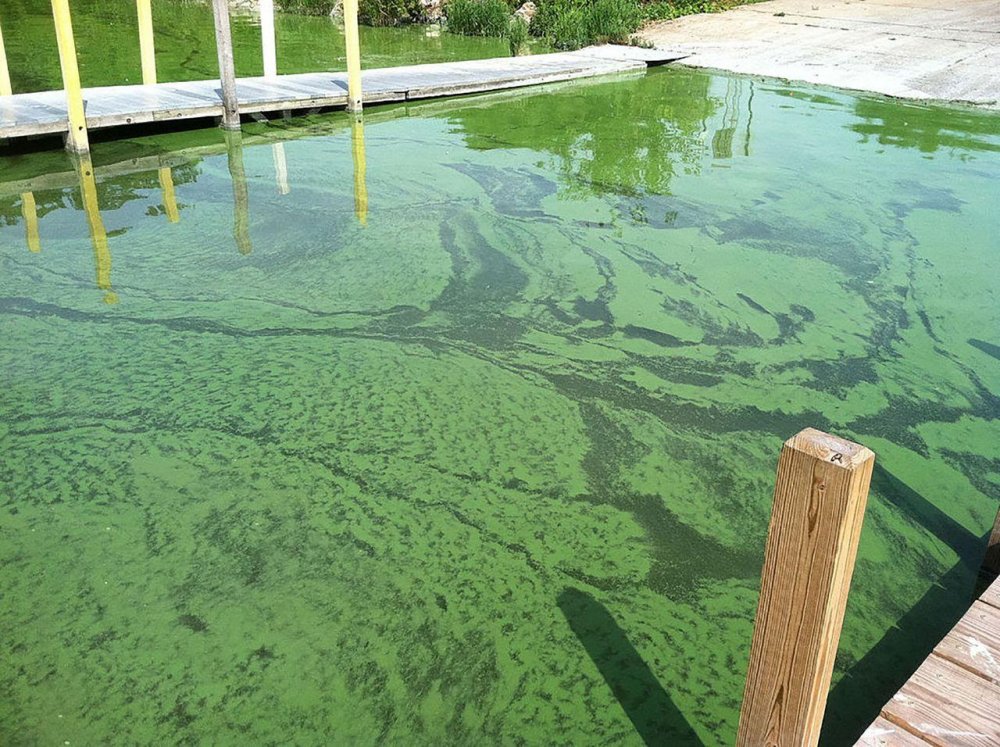
Unlike marine algae, freshwater algae is usually little more than green slime. Much of it is actually microscopic single-celled organisms that form the base of the food chain. That is why the water is green ( when it is green. ) *
More: Algae, Duckweed & Sponges ...
Fanwort
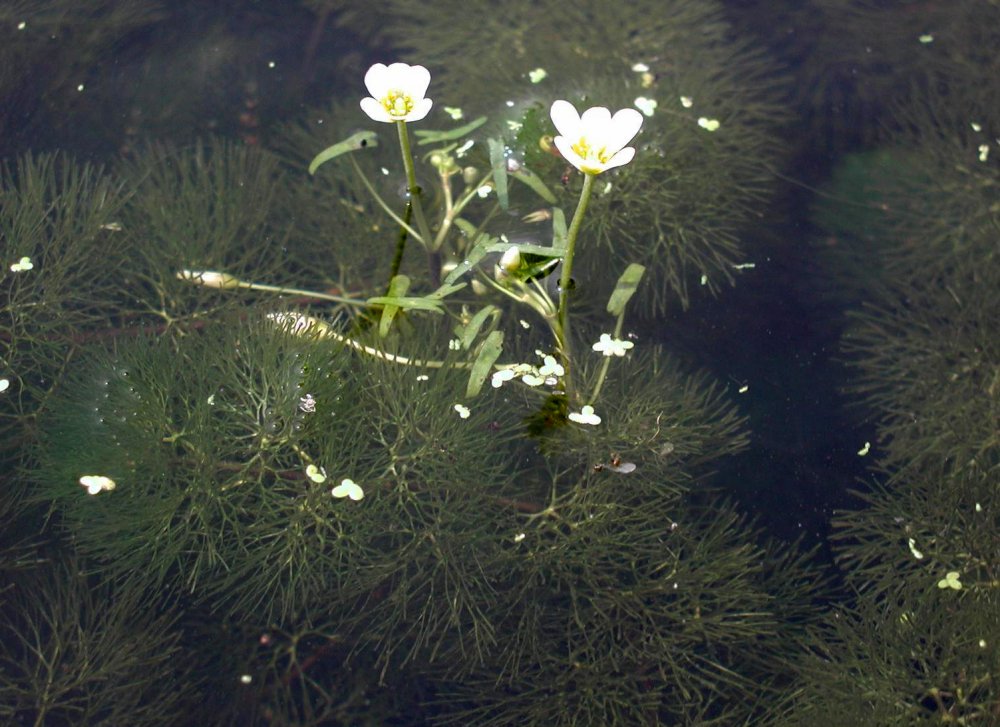
Fanwort is a fully aquatic true plant. It grows steadily through the warm months, and can choke-out large areas, then dies back in the winter. Fanwort produces tiny flowers above the surface.
More: Fanwort & Hornwort ...
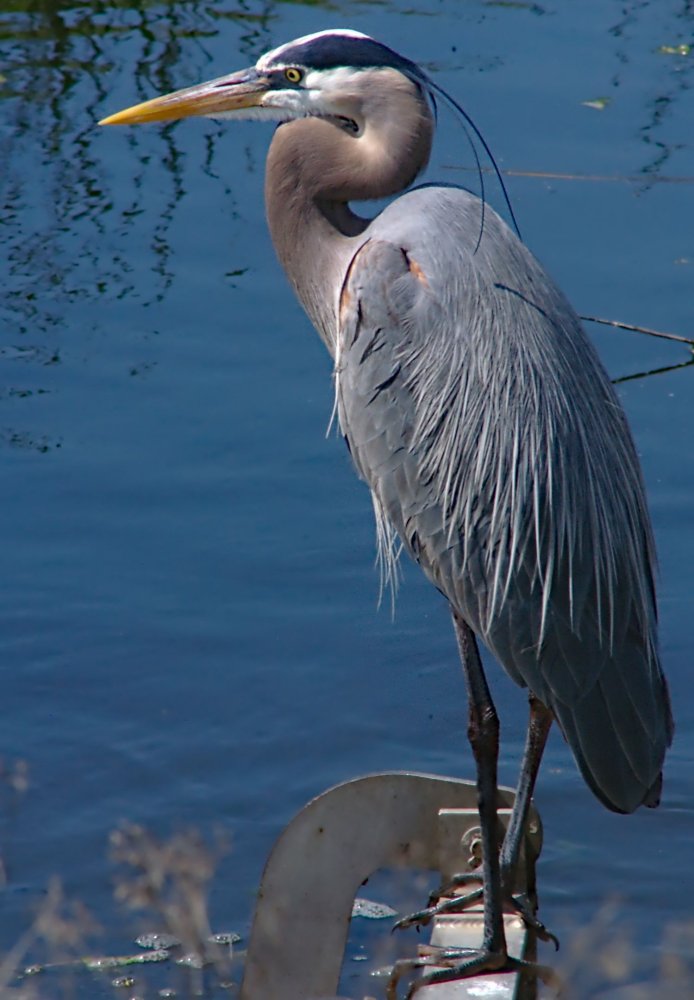
Kayaking is an outdoor activity. Yes, kids, you'll have to put down your game controllers and go outside. Out there is what us older folks call nature. Nature can actually be quite beautiful and interesting, and you don't have to worry about your screen resolution and refresh rate - both are infinity. So here is a short list of flora and fauna ( plants and animals ) that you might see in freshwater environments:
More: Wildlife ...