Algae, Duckweed & Sponges

Algae
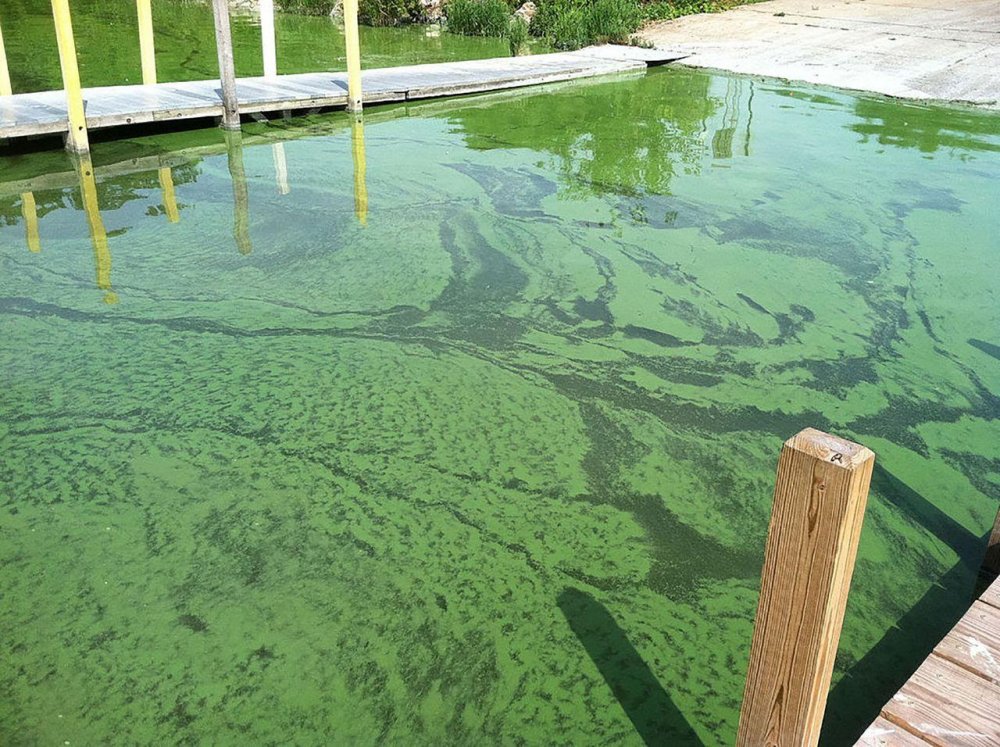
Yuck!

Unlike marine algae, freshwater algae is usually little more than green slime. Much of it is actually microscopic single-celled organisms that form the base of the food chain. That is why the water is green ( when it is green. ) *

-- Wikipedia

* This is New Jersey ... Lord knows why the water is green. Try not to think about it.


Duckweed
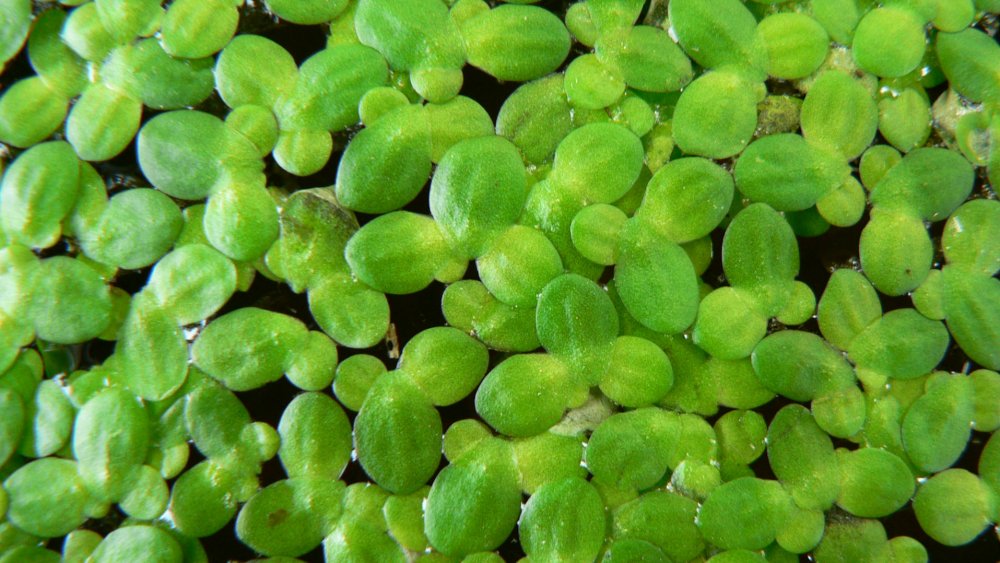
magnified, actual size ~ 1/8"

You may find yourself paddling through masses of tiny green floating flecks. That is Duckweed. Duckweed is the tiniest of true plants, just a single leaf and a hair-like root.

-- Wikipedia


Sponges

Again, Yuck!

Freshwater sponges are nothing to write home about. They are typically just a colorless ( or sometimes green ) mass of goo that you wouldn't want to touch, unlike marine sponges which are often big and colorful. Sponges are animals, not plants, but they act like plants, so I'm putting them here.

-- Wikipedia

After Google sent me a bill for their map service, I decided to switch to OpenLayers maps, which are free. And I quickly came to like them better. At first, I thought the satellite imagery was neat, but it turns out that often things are hidden under trees. Also, the coordinates on the satellite imagery are less-than-accurate. Google's street maps are also less-than-accurate, and also less-than-informative, lacking accurate borders and labels ( although they do have lots of advertising! )

As I got the hang of OpenLayers, I started to redo a lot of things and simplify, getting rid of a lot of stuff I had done to make up for the shortcomings of Google Maps. OpenLayers maps look a lot like USGS quadrangles, and don't need a lot of help, just zoom in and there is a wealth of information. Google's maps are also strongly colored, which makes it difficult at times to do anything with them. OpenLayers uses nice muted colors that are easy to write over.