Uncategorized (2/2)

 1 2  

After Google sent me a bill for their map service, I decided to switch to OpenLayers maps, which are free. And I quickly came to like them better. At first, I thought the satellite imagery was neat, but it turns out that often things are hidden under trees. Also, the coordinates on the satellite imagery are less-than-accurate. Google's street maps are also less-than-accurate, and also less-than-informative, lacking accurate borders and labels ( although they do have lots of advertising! )

As I got the hang of OpenLayers, I started to redo a lot of things and simplify, getting rid of a lot of stuff I had done to make up for the shortcomings of Google Maps. OpenLayers maps look a lot like USGS quadrangles, and don't need a lot of help, just zoom in and there is a wealth of information. Google's maps are also strongly colored, which makes it difficult at times to do anything with them. OpenLayers uses nice muted colors that are easy to write over.


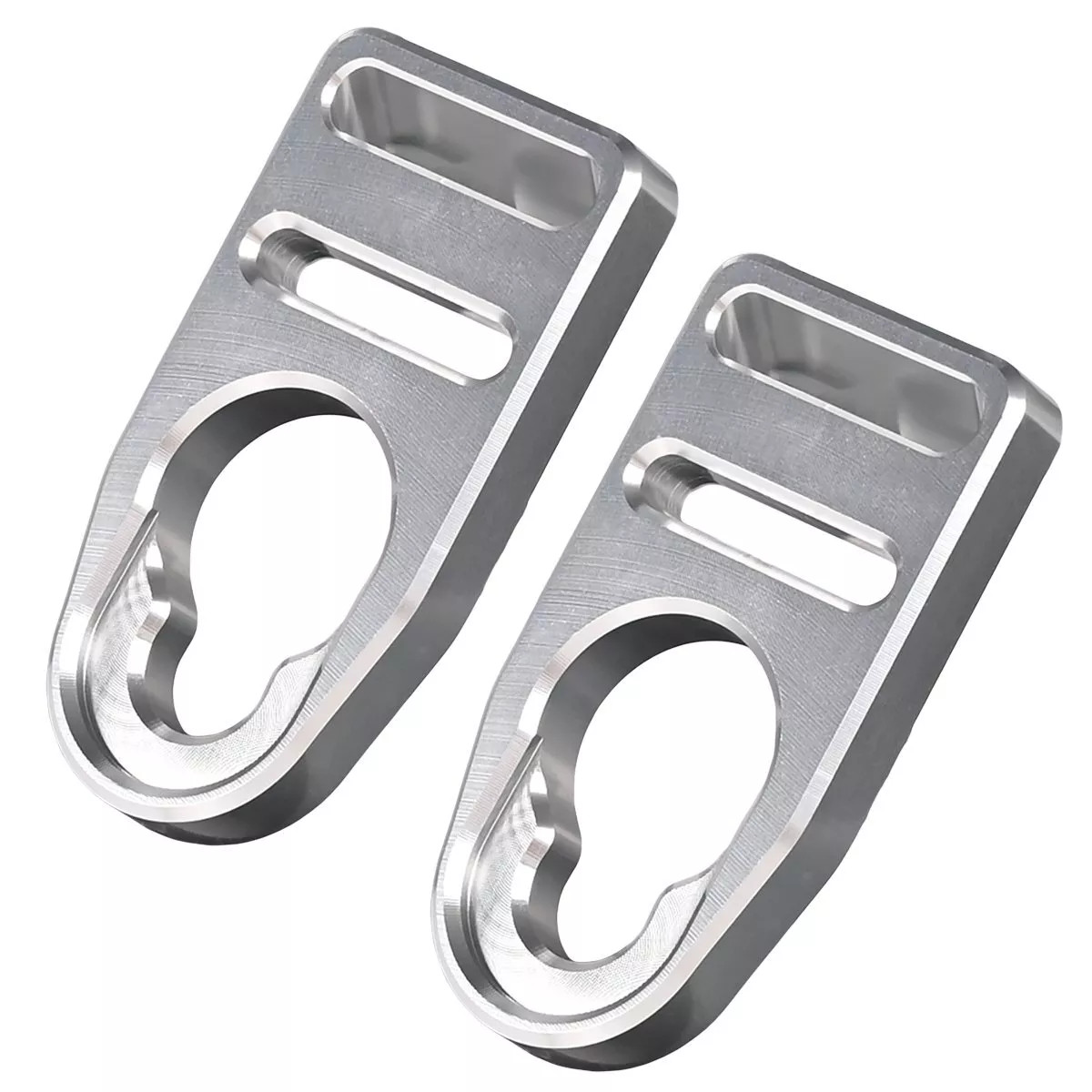
I recently installed these aluminum seat strap buckles. They are a direct replacement for the factory plastic buckles.


Featured

New Jersey has far more put-ins and places to explore than I can ever get to. If you've been somewhere good, or bad, click that contact link and send me a description. Or you can click the Support button and send a couple of bucks to help with the web hosting, software, and other costs - this stuff is not free!

( PayPal takes 3.49% + 49ยข per transaction )


This site was recently deemed by Gargle as not having content worthy of being polluted by their ad-spam. Just as well.


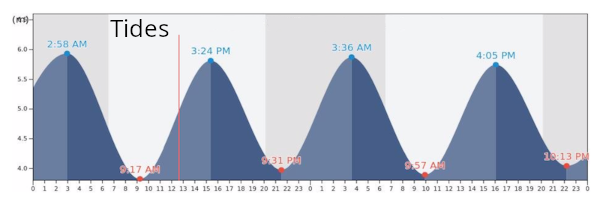
I added live tide predictions to the sites that are tidal. Also added a weather page with forecasts and current conditions.

Tides

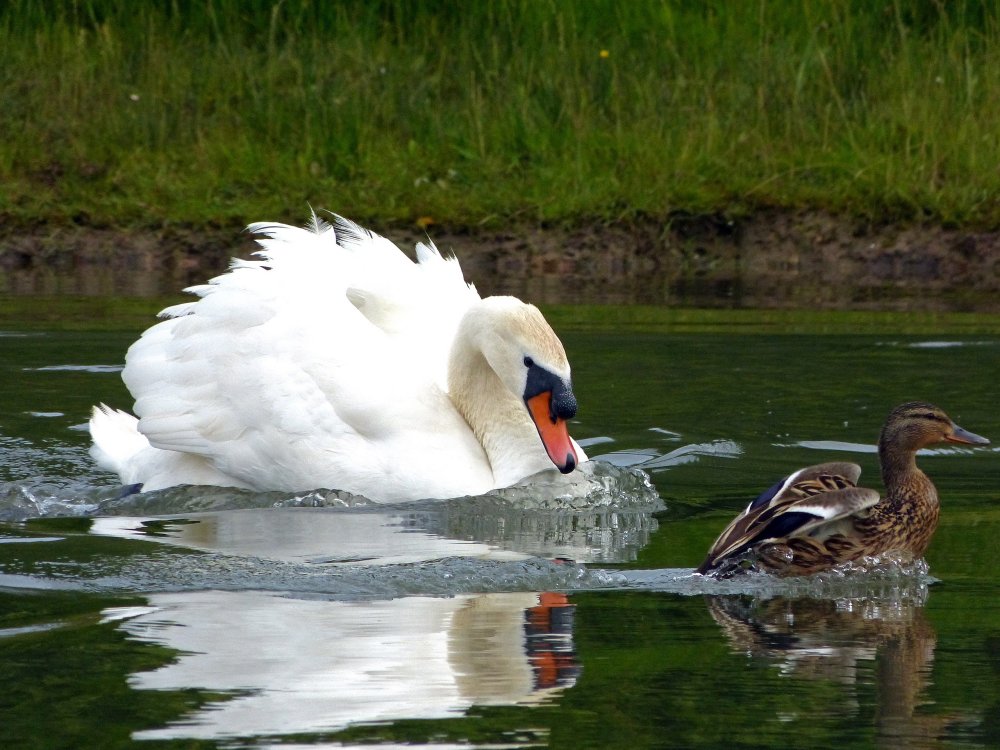
I decided to add a section on wildlife. So far I have done a bunch of birds.


Uncategorized

 1 2  

Clinging jellyfish are shown swimming in a jar in 2016. The small jellies can pack a dangerously powerful sting. Tanya Breen/staff Photographer

Amanda Oglesby
Asbury Park Press
June 19, 2026

BRICK - A surge of clinging jellyfish are infiltrating the Metedeconk River, where a 6-year old child has already suffered a severe string, said New Jersey's leading expert on jellyfish.

Paul Bologna, the director of Montclair University's Marine Biology and Coastal Sciences Program, said the river's north bank has "a huge number of these clinging jellies." These coin-sized translucent jellyfish cling to sea lettuce and filamentous red algae common in the Jersey Shore's coastal rivers and estuaries, he said.

"Their tentacles have special adhesive pads that ... suction cup themselves onto that stuff," Bologna said.

Despite their small size, the clinging jellyfish pack a dangerously powerful sting, one that can lead to days-long hospitalizations, the biologist said.