Wildlife
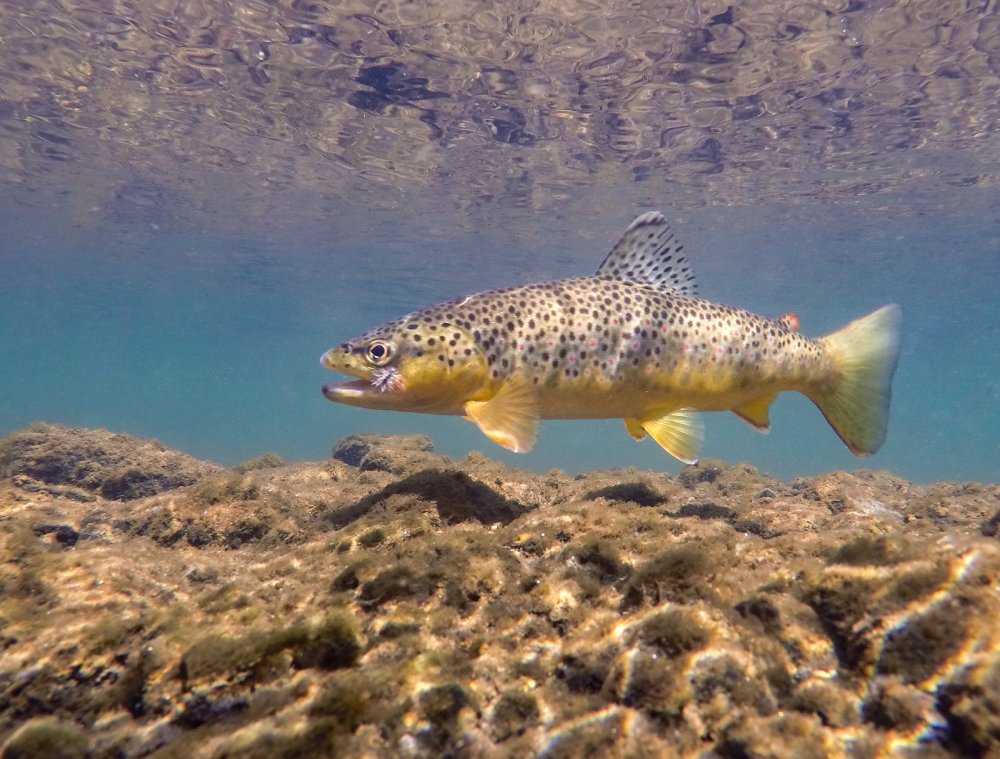
Kayaking is an outdoor activity. Yes, kids, you'll have to put down your game controllers and go outside. Out there is what us older folks call nature. Nature can actually be quite beautiful and interesting, and you don't have to worry about your screen resolution and refresh rate - both are infinity. So here is a short list of flora and fauna ( plants and animals ) that you might see in freshwater environments:
Birds
Fishes
Turtles, Frogs & Snakes
Mammals
Bugs
Plants
Salt Water
All of the birds listed above can also be found in saltwater environs. The list of saltwater fishes is too long to even start. Insects and amphibians have poor tolerance for saltwater and are not found there, but many other types make up for that. Likewise, seals and dolphins may be found in our bays and inlets.
This is by no means an exhaustive listing, just a few representative types that you are likely to see on almost any trip. I'm going to be lazy here, and filch a lot of material from Wikipedia. I'm keeping this all informal and unscientific; I'm not even going to bother with Latin names. However, if there is something you want to know more about, I will place Wikipedia links.
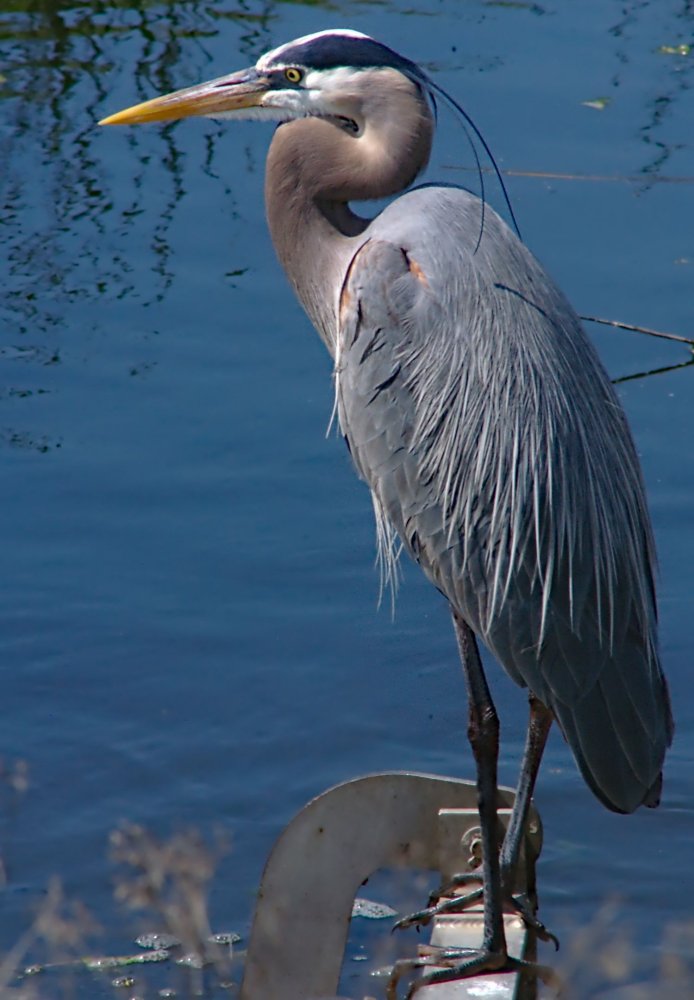
These are all long-legged, long-necked wading birds typically seen near the water's edge. They will tolerate your approach to a point, and then fly away - one of the advantages of being a bird.
Snowy Egret
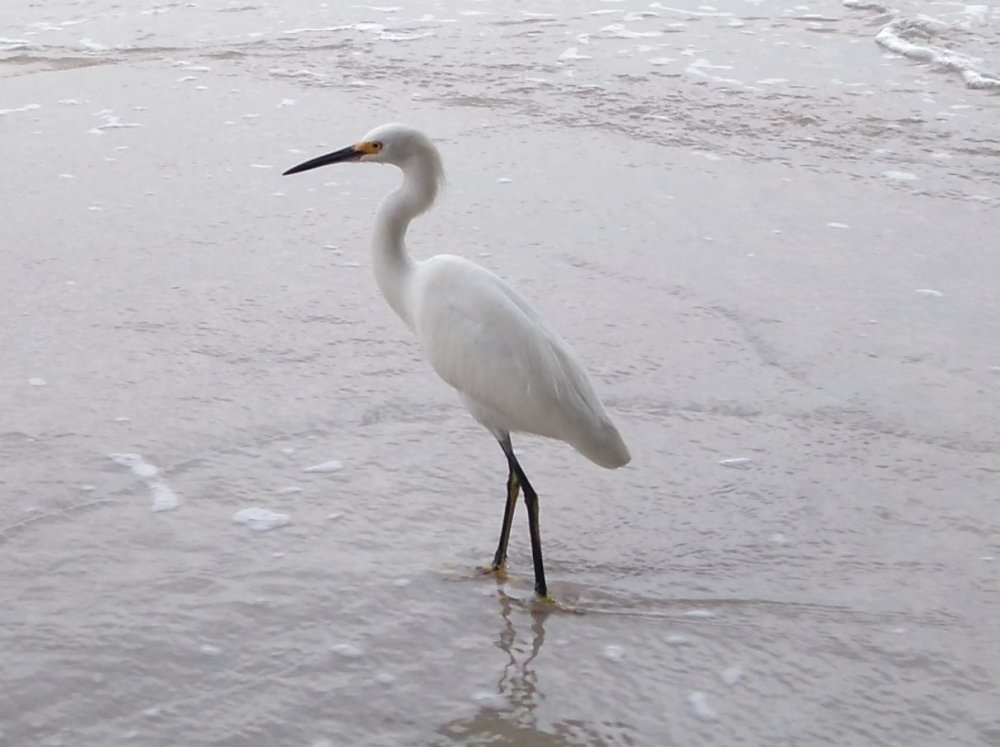
The Snowy Egret is very easy to spot, because it makes no attempt at camouflage, and stands out in any environment. They make up for this by being rather wary, although I have seen individuals beg for food from fishermen, a learned behavior that is not common. The Snowy Egret is very common; it would be difficult to go out kayaking and not spot at least one.
More: Egrets & Herons ...
River Otter
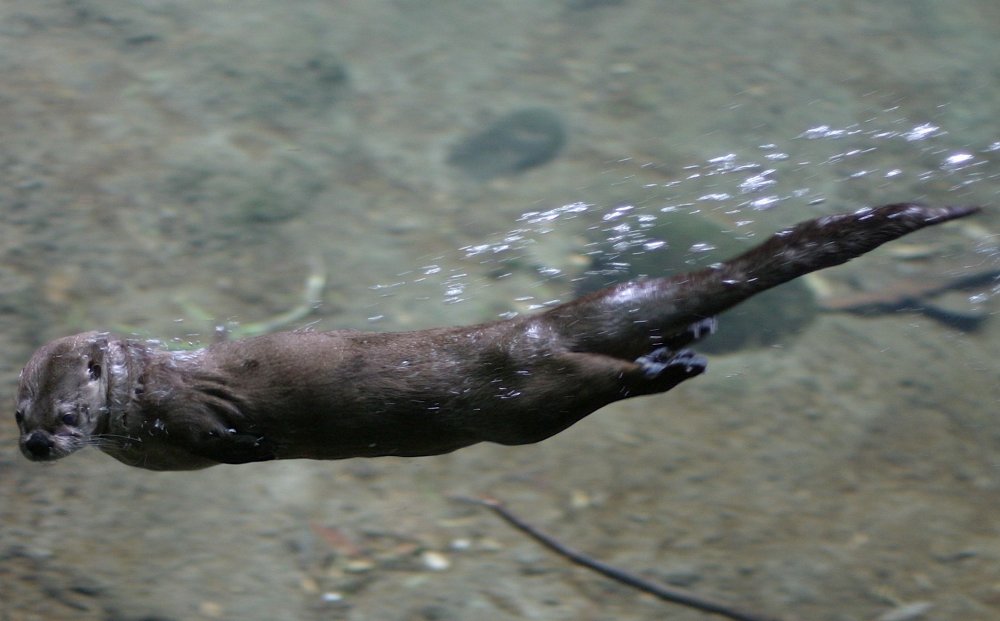
Otters are aquatic weasels. You may find them climbing around on banks, or splashing around in the water, especially around dusk.
More: Otter & Raccoon ...
Orbweavers
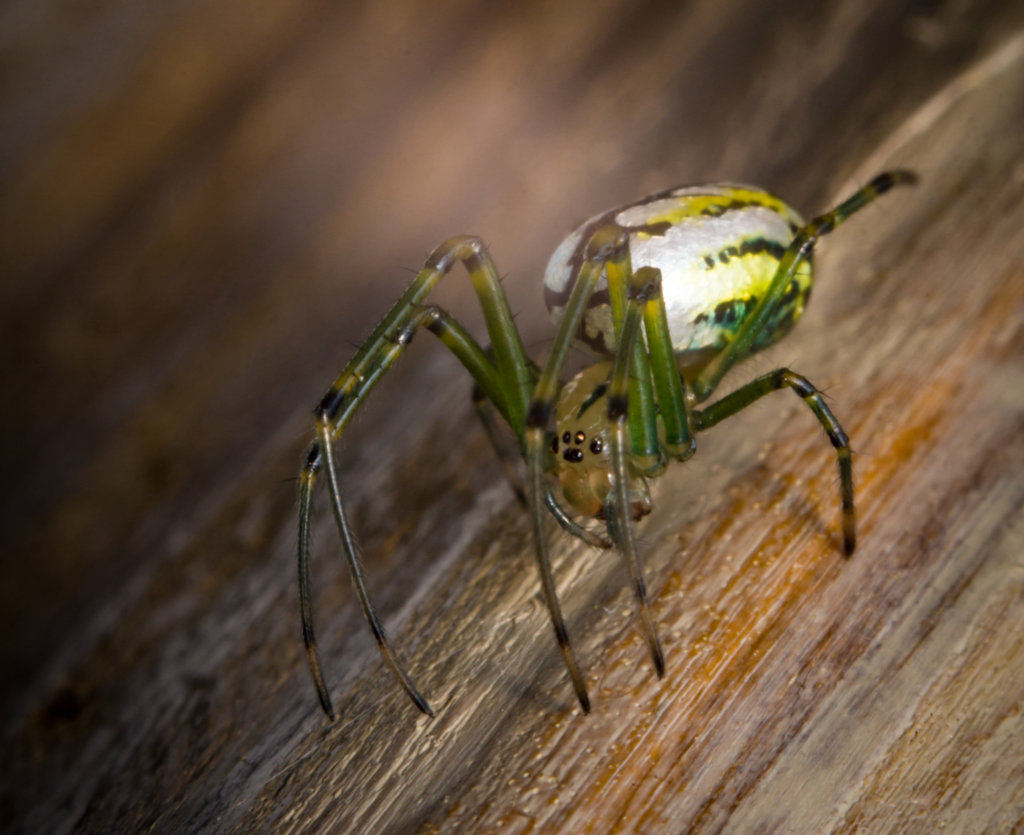
If you are trying to escape the sun in the shade of overhanging tree branches, you are inevitably going to get spiders in the boat. These are almost entirely harmless orbweavers - they are not aggressive and don't bite, and are not poisonous to humans, at least no more poisonous than a honey bee. That said, our brains are programmed at the most basic level to fear spiders, and I don't like them any more than anyone else. Just calmly knock it out of the boat.
More: Spiders ...